

01
Civil Rights
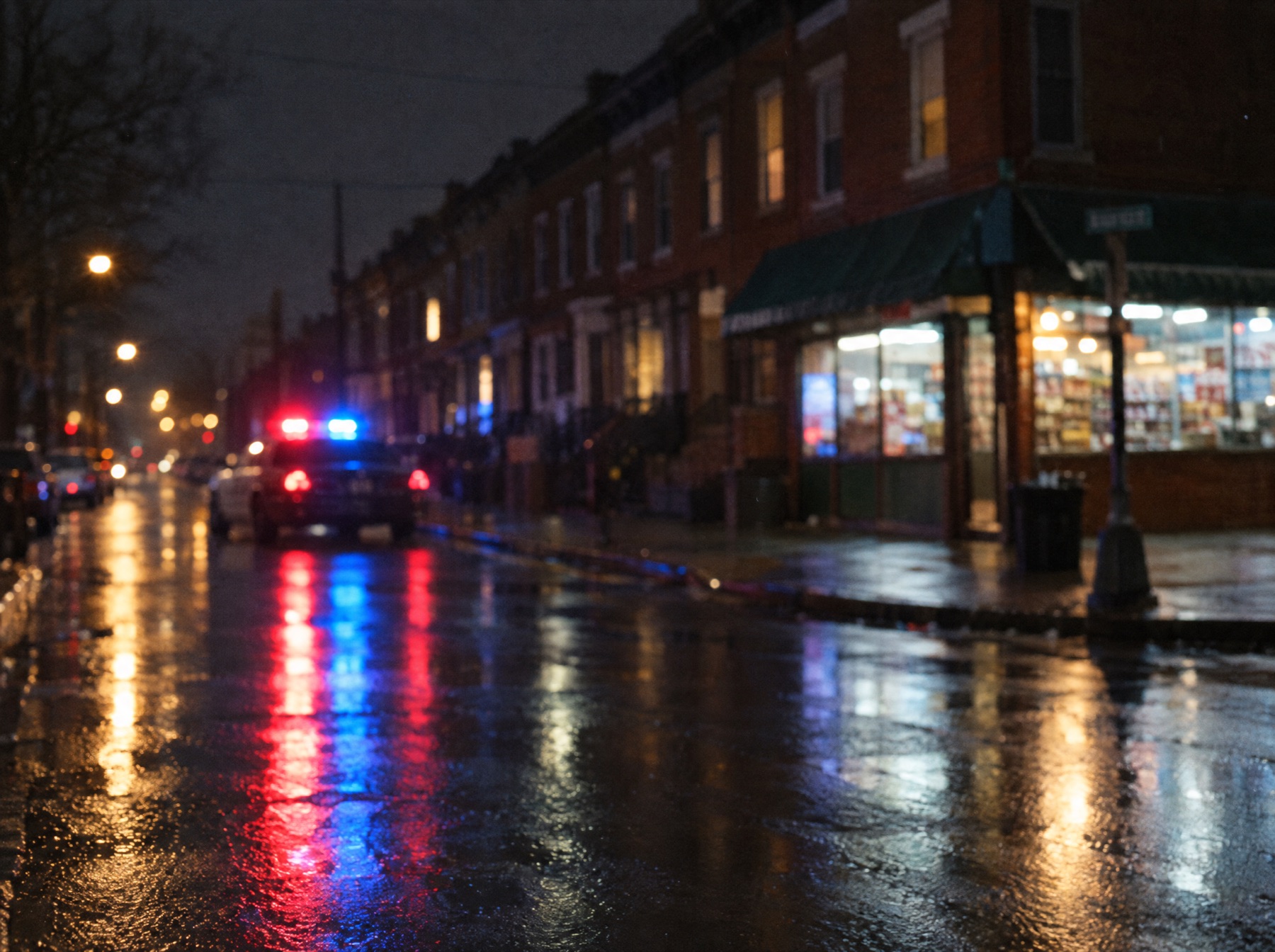
Excessive force, false arrest, malicious prosecution, and retaliation by government officials.
The Aboushi Law Firm · A private law firm, not affiliated with any government agency.
Start with who it was against. It takes about 30 seconds.
Private. Nothing is stored until you send a review. General deadlines; the firm confirms yours.


Start with who it was against. It takes about 30 seconds.
Private. Nothing is stored until you send a review. General deadlines; the firm confirms yours.

Principal · Former U.S. Department of Justice trial attorney · Former federal law clerk
He has tried and won excessive force and police shooting cases, including an excessive force and false arrest case against the Port Authority of New York and New Jersey. He brings the firm's cases in federal and state courts across New Jersey, in English and Spanish.
AdmittedNew Jersey (2007)New YorkD.N.J.S.D.N.Y.E.D.N.Y.E.D. Mich.2d Cir.3d Cir.
Police cases first: excessive force, false arrest and police shootings. Results from Aymen's career in New York and New Jersey, each labelled with its state and linked to the publication or court record that names him. Prior results do not guarantee a similar outcome.
Sanders,Plaintiff,
v.
Jersey City,Defendant.
Settlement for a man punched by a Jersey City police officer while walking his dog. Aymen was co-counsel.
Walid M.,Plaintiff,
v.
City of New York,Defendant.
Jury verdict for a severely autistic teenager beaten by police officers during the Hurricane Sandy evacuation, plus $20,000 in punitive damages. The Appellate Division unanimously affirmed the judgment in 2019.
Benbow,Plaintiff,
v.
Feely et al.,Defendant.
A federal jury found for a man shot by NYPD officers, and the court denied the officers' motion to overturn the verdict and entered judgment against them.
Garden State Islamic Center,Plaintiff,
v.
City of Vineland,Defendant.
Settlement for a South Jersey mosque denied use of its own building. The city also issued the certificate of occupancy.
A Muslim FDNY firefighter,Plaintiff,
v.
City of New York,Defendant.
Settlement for a firefighter harassed at his firehouse for his faith.
Four practices and seventeen kinds of cases, each with its own page, questions and New Jersey deadlines.
All practice areasExcessive force, false arrest, malicious prosecution, and retaliation by government officials.

Discrimination, harassment, retaliation, and religious accommodation under New Jersey and federal law.

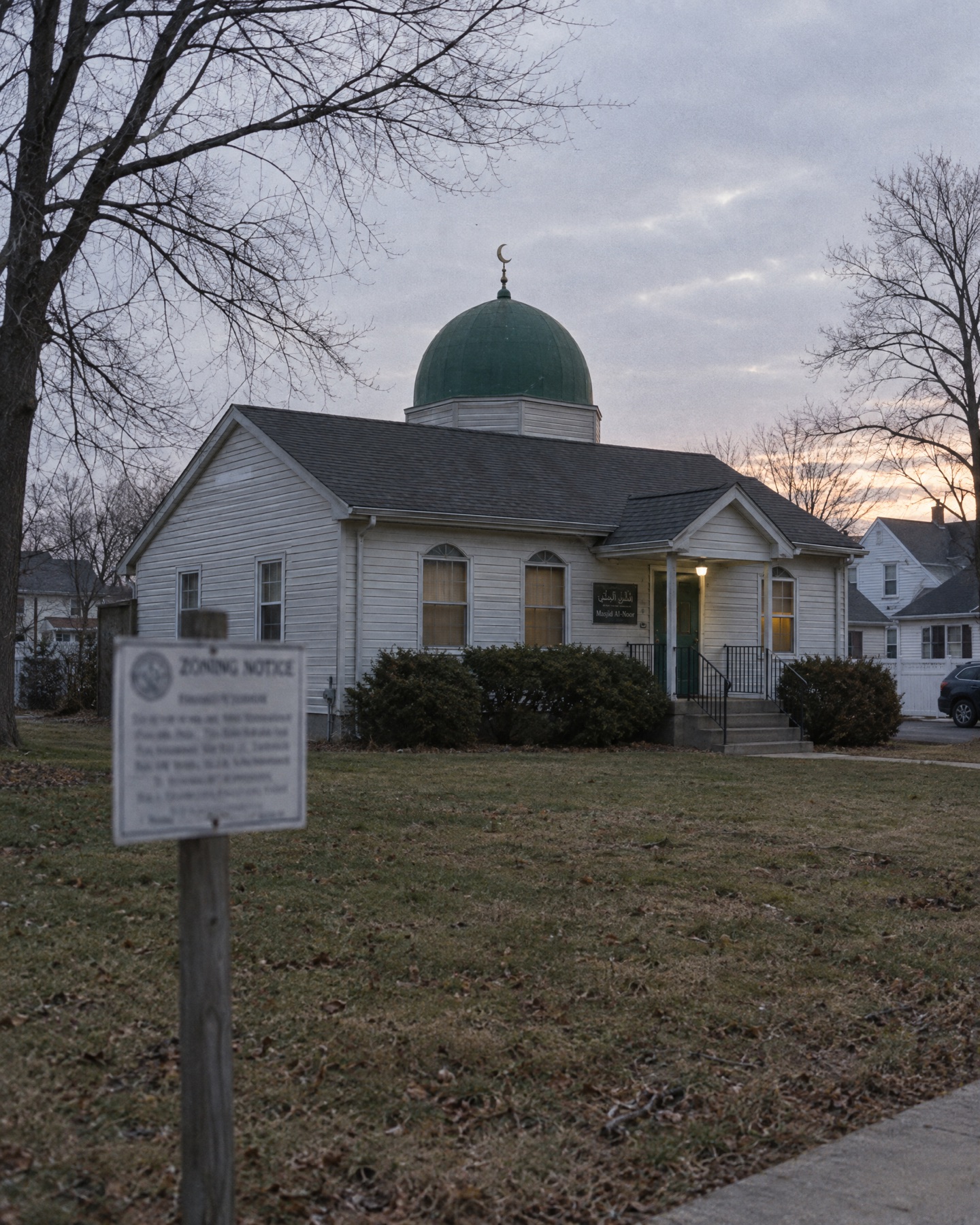
Zoning, prison, and religious school cases under federal religious land use law.
The 90-day rule
Lawsuits have longer clocks: usually two years for civil rights claims. The notice is the one people miss.
Your New Jersey deadlines
General rules. Exceptions exist; the firm confirms yours.
The clocks, side by side
One case review, start to finish: what you send, what the Instant case check prepares, and what is waiting for the attorney before the first call.
Select your county to see where a notice of claim goes and where the firm has already been.
The firm handles cases in all 21 counties from its Newark and Montclair offices.
From the Hudson waterfront to South Jersey main streets, the firm takes cases wherever New Jersey's rights were broken.
Find your countyStraight answers. For anything about your own case, the free review is the fastest way.
All guides
The consultation is free. Most civil rights cases are handled on contingency, which means the fee is paid from a recovery. The fee terms for any case, including who pays case costs such as filing fees, records and expert witnesses, are explained and set out in the written retainer agreement before the firm begins work.
English and Spanish. You can submit a case review or speak with the firm in either.
An attorney reads it. If the firm needs more information, it will contact you to ask. You will then hear whether the firm can take the matter, and if it cannot, you will be told so plainly so you can look elsewhere before any deadline passes.
No. Some civil deadlines, including the 90-day Tort Claims Act notice, keep running while a criminal case is open. The firm coordinates with your defense lawyer so the civil claim does not harm your defense. Do not discuss the facts with police or post about them online.
What you send in a case review is kept confidential, but sending it does not make the firm your lawyer. Only a signed retainer agreement creates an attorney-client relationship, so keep protecting your own rights and deadlines until then.
It depends on the claim. Some deadlines are short: 90 days for a notice to a public entity, 180 days at the New Jersey Division on Civil Rights, one year under the whistleblower law, and 300 days for an EEOC charge. Others run two years or more. Contact the firm early so the right date can be identified.
Anything in writing: police paperwork, court documents, medical records, photos, videos, emails, texts, pay records, and any letters from your employer or a government agency. Write a short timeline of events with dates. Bring what you have. Missing documents can often be obtained later.
Many civil cases resolve before trial, through settlement or motions. Some are tried to a jury. The firm prepares each case as if it will be tried, because that preparation shapes every stage. No lawyer can promise a particular result.
Five minutes now can protect a case for years. The review is free, private, and read by the firm.
This is an automated tool, not a lawyer. It answers from the firm's own pages and can't give legal advice. Ask about your rights, your deadline, or how the firm works, in English or Español.


